Canto by canto
Inferno

Inferno 1
Dante frightened by his plight, terrorised by strange beasts, discovers a guide.
Watch · Listen

Inferno 2
Dante wavers and Virgil reveals why he is here.
Watch · Listen

Inferno 3
Dante and Virgil enter the gates of hell to find lost souls and a river.
Watch · Listen

Inferno 4
Virgil leads Dante into the first circle of hell.
Watch · Listen
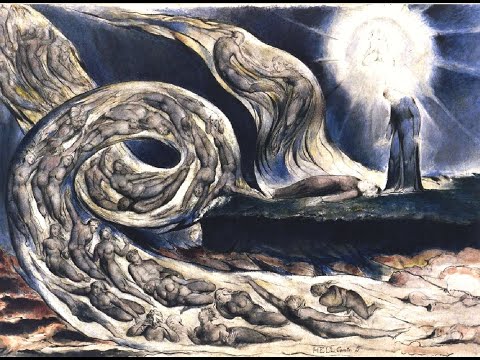
Inferno 5
Virgil and Dante enter the second circle of hell and meet those whose love in life has trapped them.
Watch · Listen

Inferno 6
In the third circle, they encounter Cerberus and the disfigured Caccio.
Watch · Listen

Inferno 7
Virgil and Dante are in the fourth and fifth circles meeting those trapped by money and by anger.
Watch · Listen

Inferno 8
Still in the fifth circle, they face the river Styx and the terror of Dis.
Watch · Listen

Inferno 9
Terrified by the demons that block their path, Dante and Virgil wait.
Watch · Listen

Inferno 10
Now inside Dis, they meet those who have followed their own way.
Watch · Listen

Inferno 11
A foul stench prompts illumination of lower hell’s subtler evils.
Watch · Listen

Inferno 12
Descending a steep slope, they see the minotaur, centaurs and a river of boiling blood.
Watch · Listen

Inferno 13
They enter an ugly wood filled with wailing and those who killed themselves.
Watch · Listen

Inferno 14
By burning sands and falling fire, they speak with a soul cursing Jupiter and see a vision.
Watch · Listen

Inferno 15
Walking alongside the red stream, avoiding the burning sands, a gaggle of souls approach them.
Watch · Listen

Inferno 16
Hearing ominous waters tumbling, they meet three more trapped souls and then stranger things happen.
Watch · Listen

Inferno 17
Approaching the cliffs of deeper hell, they confront the monster Geryon and souls disfigured by usury.
Watch · Listen

Inferno 18
They are in the eighth circle, the place called Malebolge, as the descent deepens further.
Watch · Listen
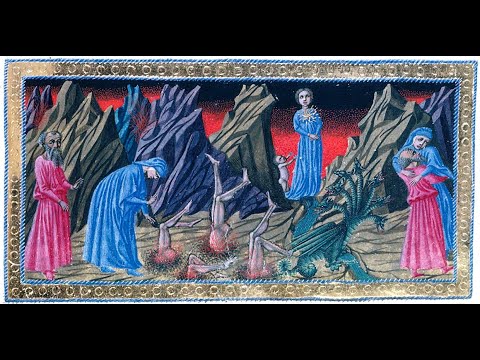
Inferno 19
Dante perceives the bleak bankruptcy of exchanging spiritual gifts for temporal goods.
Watch · Listen

Inferno 20
Dante is perturbed when they encounter the diviners, an art he practices too.
Watch · Listen

Inferno 21
They meet the demons of Malebranche. Virgil reckons he can outplay them. Dante does not.
Watch · Listen
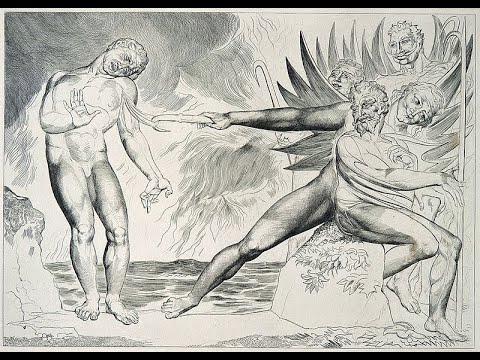
Inferno 22
They find themselves escorted by ten demons. Something has gone very wrong.
Watch · Listen

Inferno 23
Affection balances fear. Thought counters foolhardiness. They escape to fresh despair in the sixth bolgia.
Watch · Listen

Inferno 24
Virgil helps Dante climb from the sixth bolgia. They come to the seventh, a melee of serpents chasing souls.
Watch · Listen

Inferno 25
They see even more terrible metamorphoses in the seventh bolgia and realise the serpents are human souls too.
Watch · Listen

Inferno 26
The eight bolgia appears almost majestic until Dante understands how its souls are trapped in flames.
Watch · Listen

Inferno 27
Still overlooking the eighth bolgia of Maleboge, a new writhing flame approaches. The soul says he trusted a pope.
Watch · Listen

Inferno 28
The ninth bolgia entombs figures Dante sees as schismatic in life, now rent asunder themselves.
Watch · Listen

Inferno 29
Dante and Virgil argue. The next bolgia is infected with the pestilence of denuded nature and humanity.
Watch · Listen
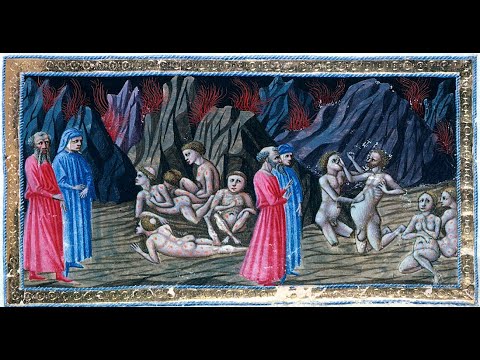
Inferno 30
Minds and bodies themselves begin to disintegrate in souls driven rabid and feverish by playing god in life.
Watch · Listen

Inferno 31
Virgil and Dante wander into a grey zone, hear an ominous horn, and encounter the terrible giants.
Watch · Listen

Inferno 32
Requesting heavenly help, Dante steps into Cocytus, revealed as a reality of imprisoning, deadening ice.
Watch · Listen

Inferno 33
Dante and Virgil encounter Count Ugolino deeper in Cocytus, as well as the souls of the living dead.
Watch · Listen

Inferno 34
The last canto of the Inferno sees Dante and Virgil face to face with Lucifer, before a surprising turnaround.
Watch · Listen
Purgatorio

Purgatorio 1
Virgil and Dante are in a world of freshness and hope, sunlight and stars, but also strangeness and novelty.
Watch · Listen

Purgatorio 2
As the sun rises, an angel speeds towards them, bringing a friend and a tense sense of tremendous things.
Watch · Listen

Purgatorio 3
Virgil is troubled. They encounter slowly moving souls, and search for an entry onto the mountain.
Watch · Listen

Purgatorio 4
Virgil and Dante find the narrow path that leads up, and begin the climb. A break brings another group of souls.
Watch · Listen

Purgatorio 5
At first distracted by the indolent, they encounter a new group of agitated souls, though keep their focus.
Watch · Listen

Purgatorio 6
Hassled by agitated souls, Dante asks if prayers effect divine laws. Virgil opens up a new state of mind.
Watch · Listen

Purgatorio 7
Virgil and Sordello embrace again, before Sordello explains they must find a safe place for the night.
Watch · Listen

Purgatorio 8
In the lovely valley, angels and a serpent dramatically appear, though oddly no-one’s concerned.
Watch · Listen

Purgatorio 9
Dante falls asleep and dreams. It’s erotic, transformative, and leads to the gate of Purgatory.
Watch · Listen

Purgatorio 10
In Purgatory proper, a zig-zagging path leads to a terrace of beautiful images and burdened souls.
Watch · Listen

Purgatorio 11
With the souls carrying heavy burdens, Dante speaks with them. He learns about the gordian knot of pride.
Watch · Listen

Purgatorio 12
Alleviated of the constrained vision that pride brings, an angel sweeps down and shows the way up.
Watch · Listen

Purgatorio 13
The second terrace looks barren, but the generous sun guides and they meet envious souls with eyes wired shut.
Watch · Listen

Purgatorio 14
Still with the reforming souls of the envious, the fall of an avaricious civilisation comes into view.
Watch · Listen

Purgatorio 15
Encountering another angel of light, Virgil explains a way of limitless growth in life. Dante is rapt.
Watch · Listen

Purgatorio 16
Blind rage becomes righteous anger and a discussion brings revisionary truths about free will and love.
Watch · Listen

Purgatorio 17
The midpoint of the Comedy. It’s filled with thoughts on love and, at the exact midpoint, the word itself.
Watch · Listen

Purgatorio 18
The nature of love and its operation is developed, before a crowd of rushing souls run up behind them.
Watch · Listen

Purgatorio 19
Dante has a second dream. It disturbs him as they make their way to the fourth terrace where souls mourn.
Watch · Listen

Purgatorio 20
Dante speaks with another mourning soul and is led to lament the history that shaped his own life.
Watch · Listen

Purgatorio 21
A transitional canto, Virgil and Dante meet the soul of Statius. The two pilgrims have become three.
Watch · Listen

Purgatorio 22
Virgil and Statius talk on fresh revelations about the nature of reality, overturning Christian assumptions.
Watch · Listen
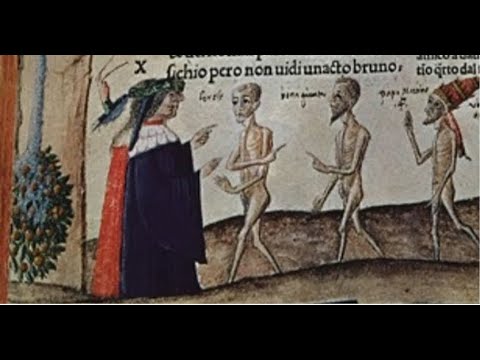
Purgatorio 23
Dante meets a friend from life, and it becomes clearer how their communing did and didn’t truly sustain him.
Watch · Listen

Purgatorio 24
Dante and Forese continue to talk on the nature of desire and perception. They encounter another tree and angel.
Watch · Listen
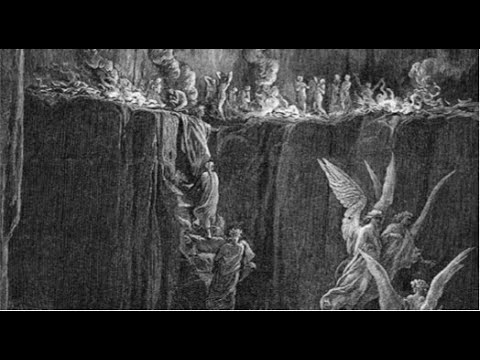
Purgatorio 25
Dante is bursting with questions. Virgil and Statius to describe the creation of our physical and subtle bodies.
Watch · Listen

Purgatorio 26
Dante is before the flames that would render him capable of divine love. He pauses. He desires and fears.
Watch · Listen

Purgatorio 27
Dante is before the flames. He hesitates. But he gathers his will, with the help of Virgil and the angels.
Watch · Listen
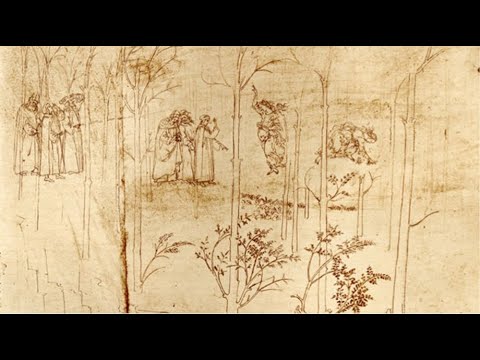
Purgatorio 28
They are an enchanting, mysterious forest. A solitary lady approaches at Dante’s request. They converse.
Watch · Listen
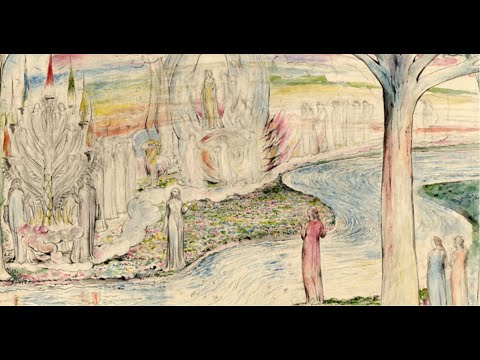
Purgatorio 29
He follows the enchanting lady when, with a flash of light, the most extraordinary vision begins.
Watch · Listen

Purgatorio 30
Cries and angels shock, and bring a chastising Beatrice, Virgil’s disappearance, and Dante’s bitter tears.
Watch · Listen

Purgatorio 31
Beatrice continues to berate Dante, until he collapses. Then, he’s carried through the Lethe and changes.
Watch · Listen

Purgatorio 32
Dante is saved from momentary madness, before Beatrice leads him to a display of spiritual corruption.
Watch · Listen

Purgatorio 33
Beatrice prophecies about the future for Dante and Christianity, and Dante is ready for the stars.
Watch · Listen
Paradiso

Paradiso 1
Dante’s intellect and desire, drawn by Beatrice, blessed by gods, enables him to rise into divine reality.
Watch · Listen

Paradiso 2
Dante warns that the journey into paradise is risky. Then, they arrive in the sphere of the Moon.
Watch · Listen

Paradiso 3
Dante is immersed in the state of mind that confuses reflection and reality as a soul appears, Piccarda.
Watch · Listen

Paradiso 4
Dante is dazzled by the seeming paradoxes of paradise. Beatrice shows how they are transcended.
Watch · Listen

Paradiso 5
Beatrice shows Dante something of the freedom to align our lives with divine life, prompting a dramatic change.
Watch · Listen

Paradiso 6
Dante presents a big history and, in this mercurial sphere, we are invited to peer beneath events.
Watch · Listen
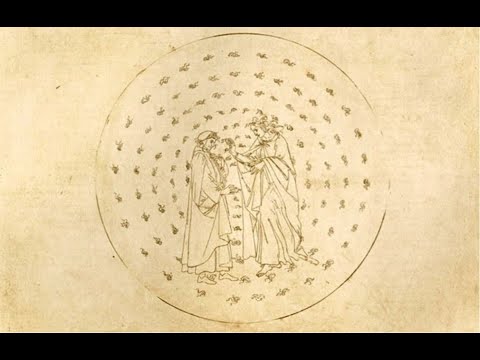
Paradiso 7
Dante is dissatisfied with the account of the crucifixion. Beatrice leads him to a beautiful new vision.
Watch · Listen

Paradiso 8
Dante, in the reality of Venus, encounters a kingly soul and kindred spirit to explore love, diversity and unity.
Watch · Listen

Paradiso 9
Dante meets souls who in life were erotic lovers, to discover more about what carries us heavenward.
Watch · Listen
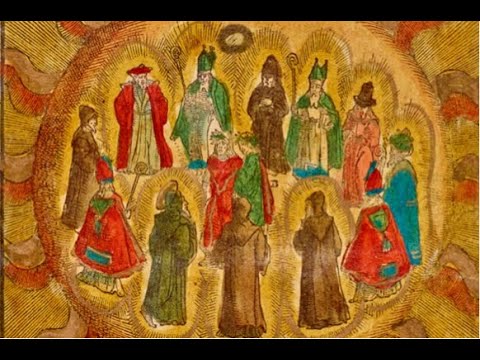
Paradiso 10
They arrive in the heaven of the sun, the light most manifest to mortals, heralding divine light within.
Watch · Listen

Paradiso 11
Thomas Aquinas offers the life of Francis of Assisi to illuminate seeing the light of the Sun in this life.
Watch · Listen

Paradiso 12
Dante contemplates a double circle of light in the sun, as Dominic adds wisdom to the ascent of love.
Watch · Listen

Paradiso 13
Imagining the movement of the stars is preparation for the divine perception Dante sees in the sun.
Watch · Listen

Paradiso 14
Contemplating the divinisation of humanity and creation, Dante finds himself in the sphere of Mars.
Watch · Listen

Paradiso 15
In Mars, Dante meets his forebear Cacciaguida, who offers a vision of times more aligned with the divine.
Watch · Listen
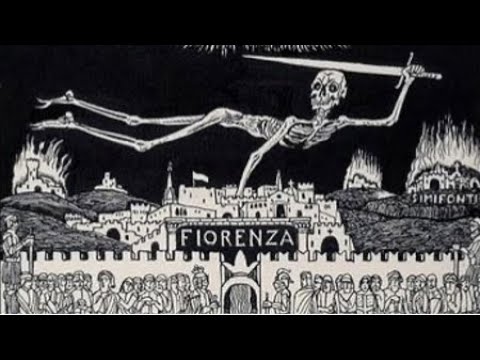
Paradiso 16
The tragedy of Florence is rehearsed though, in heaven, a deeper love and life transcends even the worst.
Watch · Listen

Paradiso 17
Dante learns that he will face exile and, in the heaven of Mars, absorbs the virtues to say yes to it.
Watch · Listen

Paradiso 18
A deeper symmetry in life appears to Dante as, guided by Beatrice, he moves to the heaven of Jupiter.
Watch · Listen
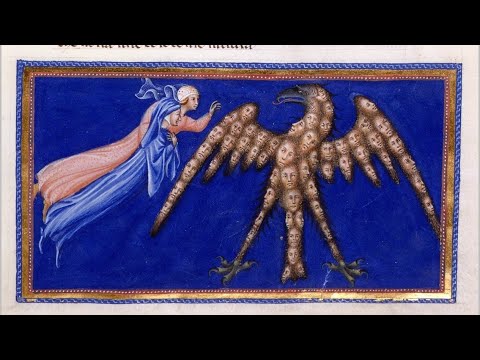
Paradiso 19
The heaven of Jupiter shows the divine plenitude. Accepting human finitude readies Dante for more.
Watch · Listen

Paradiso 20
Souls Dante never expected to see are encountered in Jupiter and Dante learns of a new heavenly dynamic.
Watch · Listen

Paradiso 21
Dante is in Saturn, though its glory must be shown gradually, lest he be blasted by the light.
Watch · Listen

Paradiso 22
Beatrice helps Dante tolerate the tremendous vision in Saturn, as Benedict descends the ladder.
Watch · Listen

Paradiso 23
In a series of shattering visions, Beatrice helps Dante steady himself and become capable of the light.
Watch · Listen

Paradiso 24
Dante must delight Saint Peter with insights on faith. He finds words to express his awareness and love.
Watch · Listen
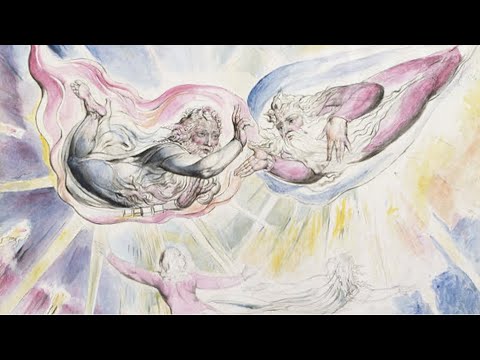
Paradiso 25
The light of hope, James, joins Dante and Beatrice. They shine with this virtue, before the heavens fall silent.
Watch · Listen

Paradiso 26
A blinded Dante realigns his desire to the heavens, and is confronted by the unexpected light of Adam.
Watch · Listen

Paradiso 27
Dante is full of heaven’s abundance, when the lights around him turn red and Peter condemns the church.
Watch · Listen

Paradiso 28
Dante gains inner sight of the still centre of all things, the spark of being and ever present origin.
Watch · Listen
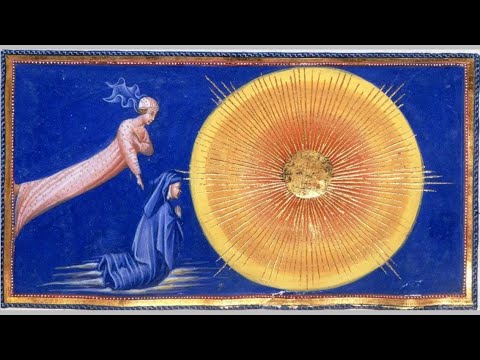
Paradiso 29
The unity of the eternal and temporal, as interpenetrating expressions of the divine, is unpacked by Beatrice.
Watch · Listen

Paradiso 30
Dante enters the Empyrean conveying, in visions, the direct experience of divine, living light.
Watch · Listen

Paradiso 31
Dante sees paradise as a white rose of beauty and heavenly amphitheatre of life, shining like the sun.
Watch · Listen

Paradiso 32
Bernard takes Dante on a tour of paradise, which is also a gathering together of all he has experienced.
Watch · Listen

Paradiso 33
Dante reaches the end that is the origin and moment of complete reception of divine life and light.
Watch · Listen